Director of Science Jack Wells shares the successes of first-year INCITE users while encouraging new users to apply for time in 2017. The post originally appeared in Cray’s blog.

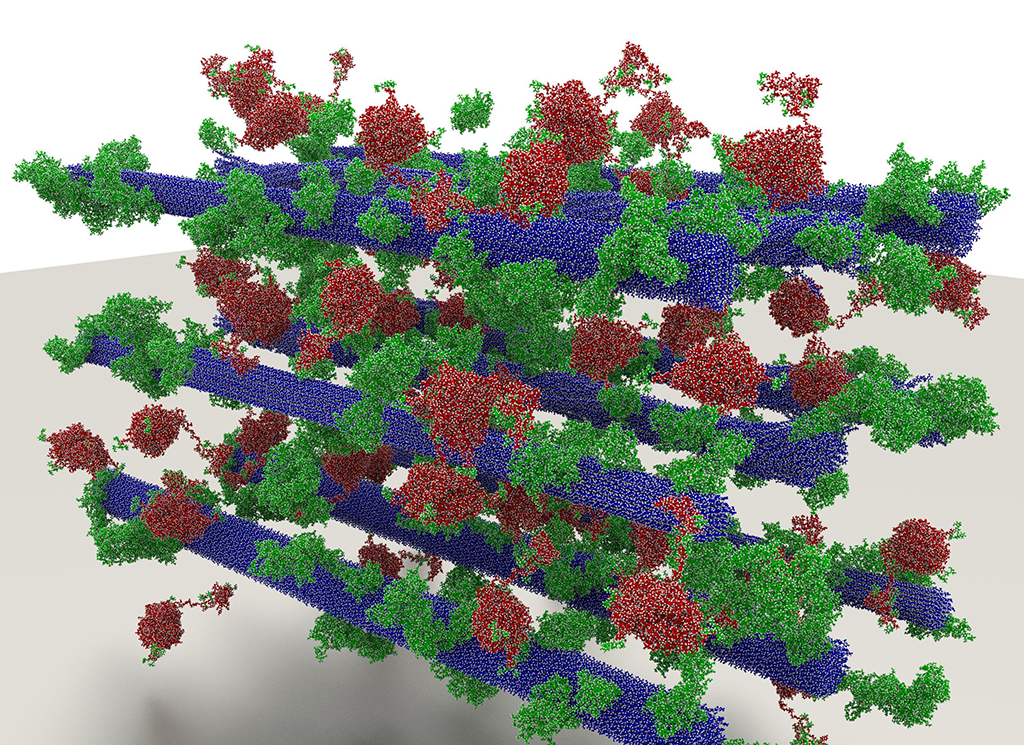
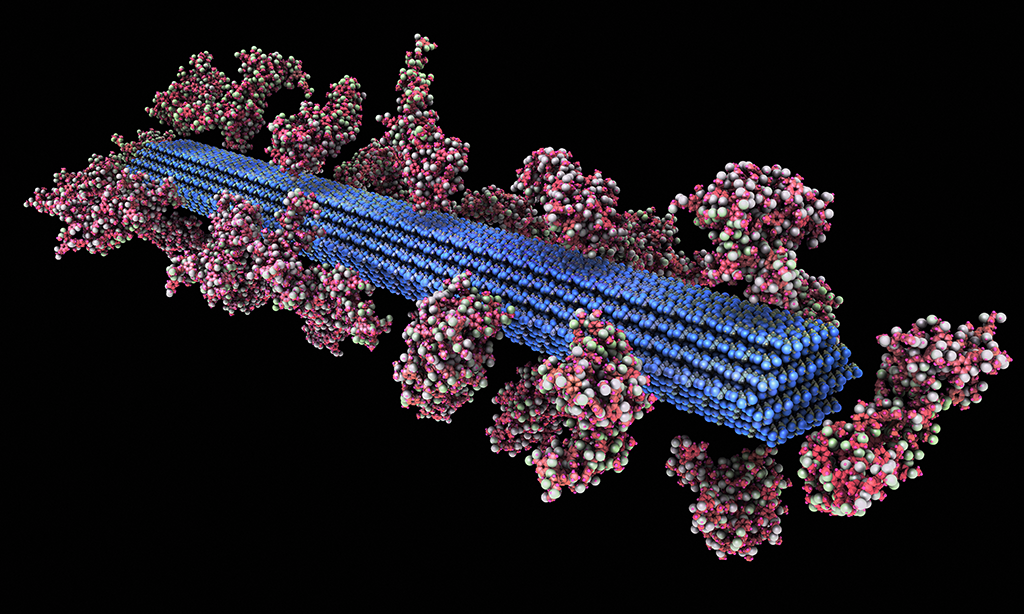
To better understand lignin, a problematic molecule for next-generation biofuel production, a team from ORNL created one of the largest biomolecular simulations to date—a 23.7-million atom system representing pretreated biomass in the presence of enzymes.
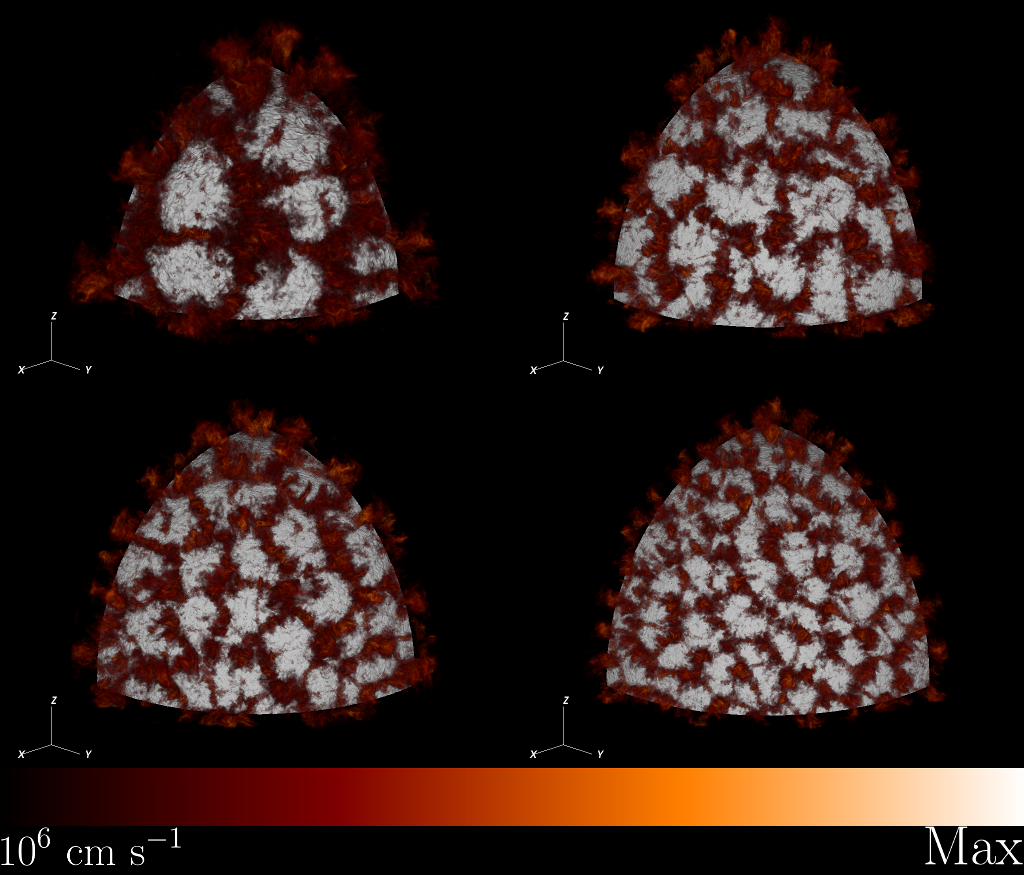
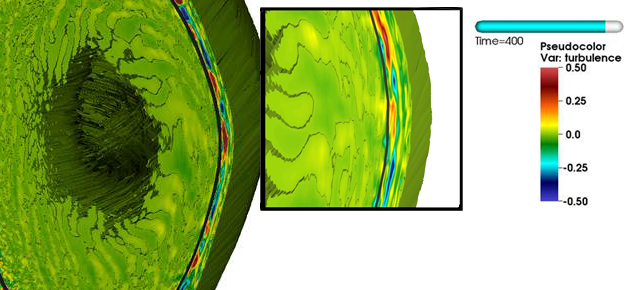
Using Titan, researchers at Stony Brook University completed a three-dimensional, high-resolution investigation of the thermonuclear burning a double-detonation white dwarf undergoes before explosion.
The U.S. Department of Energy’s Office of Science announced 56 projects aimed at accelerating discovery and innovation to address some of the world’s most challenging scientific questions.
Oak Ridge and Argonne Leadership Computing Facility representatives teamed up this summer to expose scientists in the UK to high-performance computing research opportunities in the United States.
A team led by James Vary of Iowa State University leveraged Titan to simulate clusters of neutrons called “neutron drops” to understand their properties better.
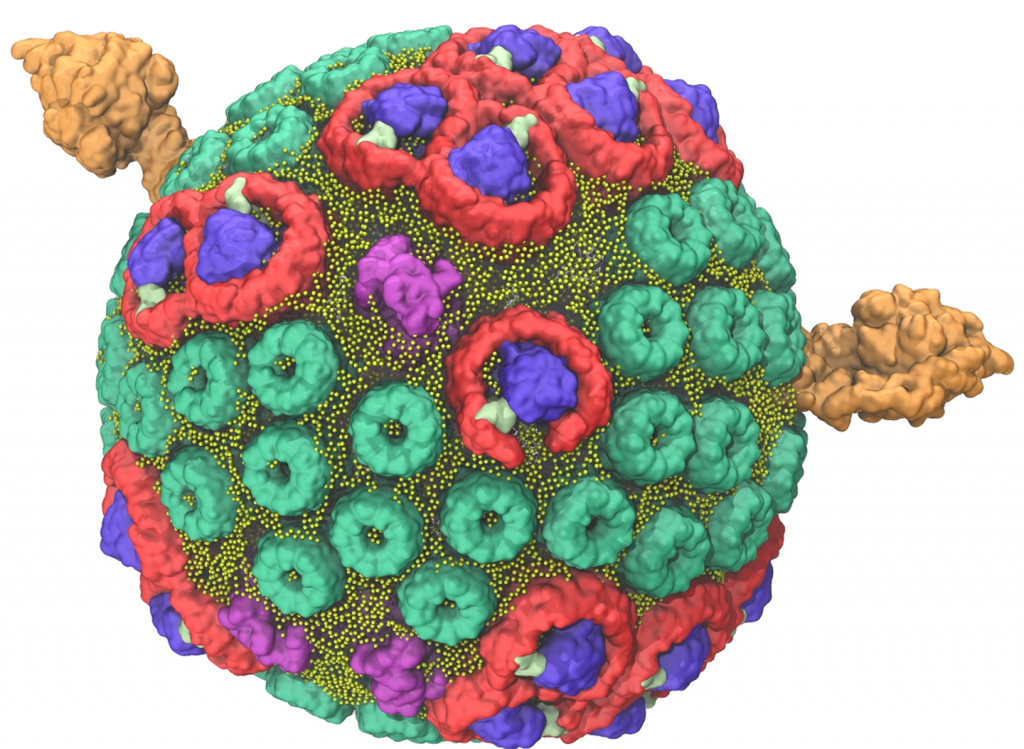
A team led by Klaus Schulten of the University of Illinois at Urbana-Champaign used Titan to achieve a milestone in the field of biomolecular simulation, modeling a complete photosynthetic organelle of the bacteria Rhodobacter sphaeroides in atomic detail.
The INCITE program is now accepting proposals for high-impact, computationally intensive research campaigns in a broad array of science, engineering and computer science domains.
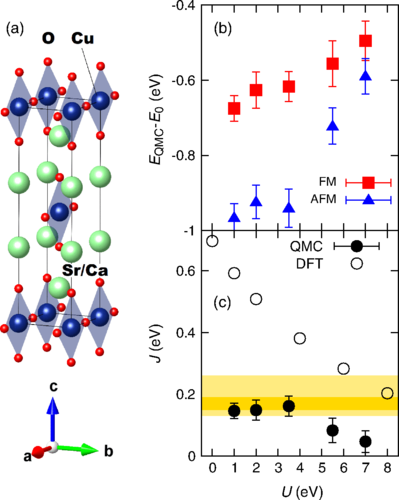
A group at the Oak Ridge National Laboratory wanted to better understand the complex interactions that enable superconductivity and needed one of the world’s fastest supercomputers to help them.
Bruce Harmon of Ames National Laboratory’s Division of Materials Science and Engineering is a project leader using Titan to create computational methods for exploring material structure and composition in non–rare earth permanent magnets.
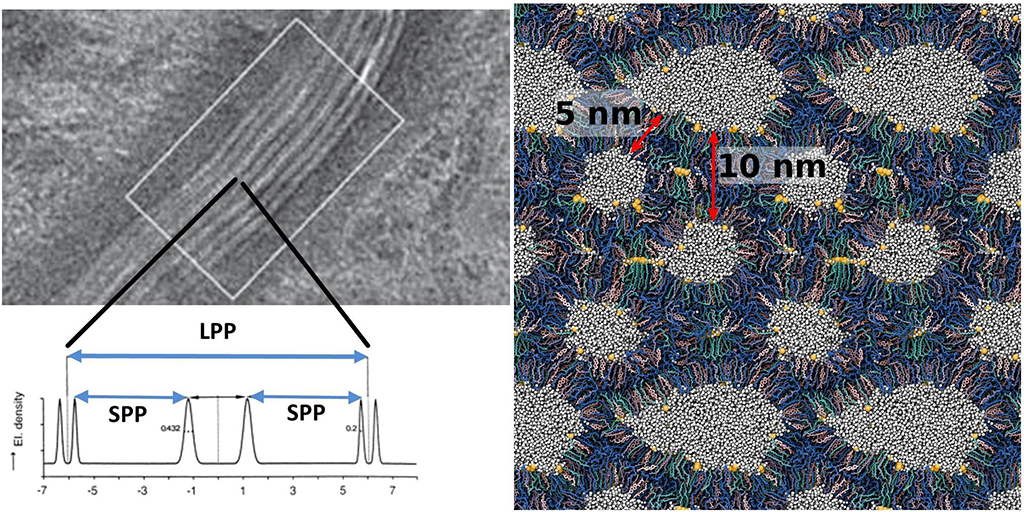
In 2013, researchers at consumer-products giant Procter & Gamble and Temple University began using the Titan supercomputer to better understand the three-dimensional structure of skin’s outermost barrier, the stratum corneum.
Now, more than a decade later, researchers mapping radiation signatures from the Cassiopeia A supernova with NASA’s NuSTAR high-energy x-ray telescope array have published observational evidence that supports the SASI model.
The Innovative and Novel Computational Impact on Theory and Experiment (INCITE) program is now accepting proposals for high-impact, computationally intensive research campaigns in a broad array of science, engineering, and computer science domains.
By adding a graphics processing unit (GPU) accelerator to the 16-core central processing unit (CPU) on each node, the OLCF substantially increased Titan’s computing capability, enabling INCITE researchers to reach unprecedented science achievements.
A team led by ORNL’s Jeremy Smith, the director of ORNL’s Center for Molecular Biophysics and a Governor’s Chair at the University of Tennessee, has uncovered information that could help others harvest energy from plant mass.
The U.S. Department of Energy’s Office of Science announced 59 projects for 2014, sharing nearly 6 billion core hours on two of America’s fastest supercomputers dedicated to open science.
Oak Ridge National Laboratory’s Titan supercomputer has completed rigorous acceptance testing to ensure the functionality, performance and stability of the machine, one of the world’s most powerful supercomputing systems for open science.
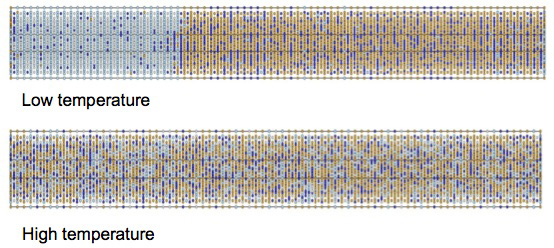
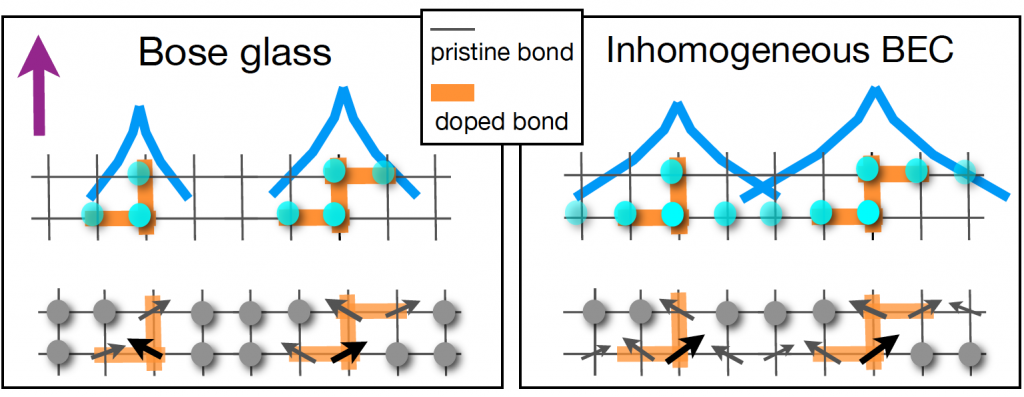
Researchers combining the supercomputing muscle of ORNL’s Jaguar with the experimental abilities of powerful research magnets have confirmed an exotic quantum state known as Bose glass.
A team of researchers ran transient, or continuous, simulations on an ORNL supercomputer over three years to create the first physics-based test of hemispheric deglaciation, work that was recently featured in Nature.