News & Science Highlights

FeaturedScience

INCITE 2027 Call for Proposals

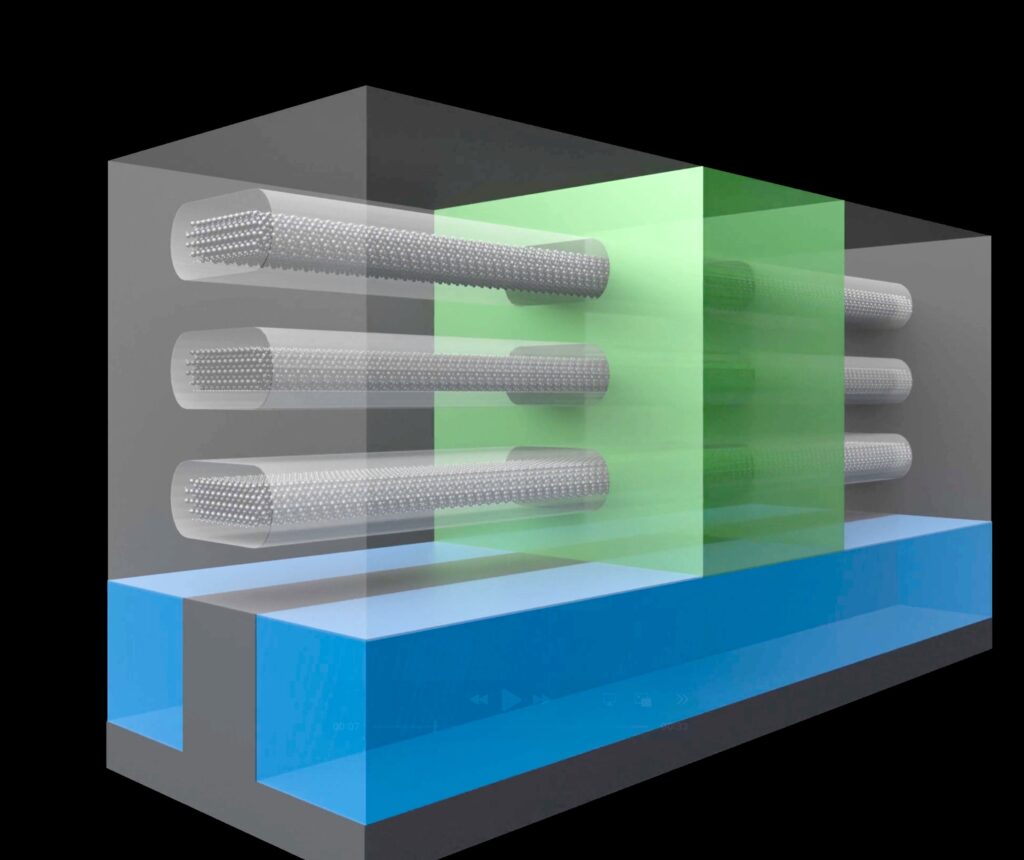
The U.S. Department of Energy’s (DOE) Innovative and Novel Computational Impact on Theory and Experiment (INCITE) program is now accepting proposals for high-impact, computationally intensive research campaigns in a broad array of science, engineering, and computer science domains. Proposals must be submitted by June 15, 2026. Open to researchers from…
Katie Bethea
April 21, 2026
FeaturedScience

Cracking the Hadron Collision Puzzle

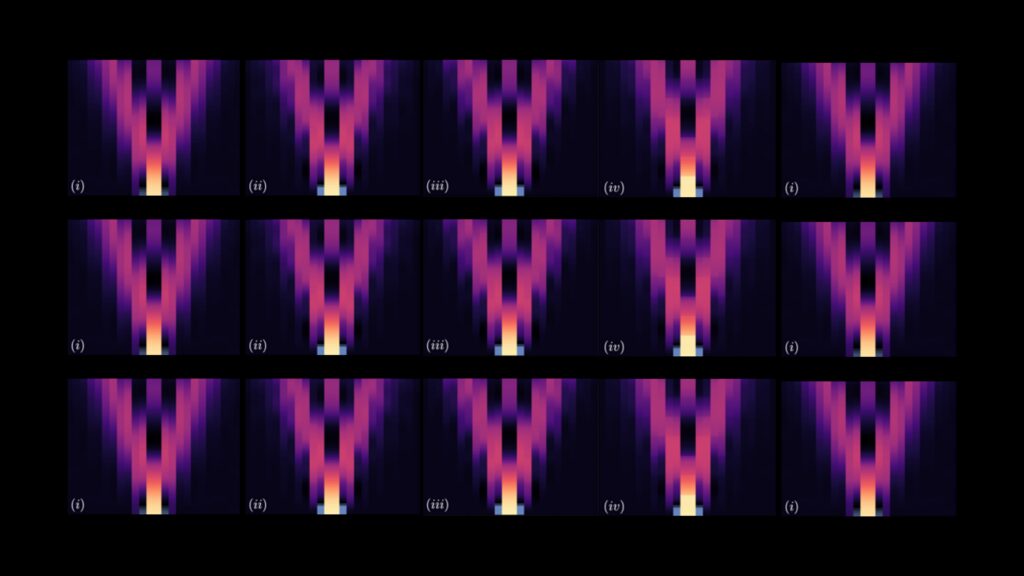
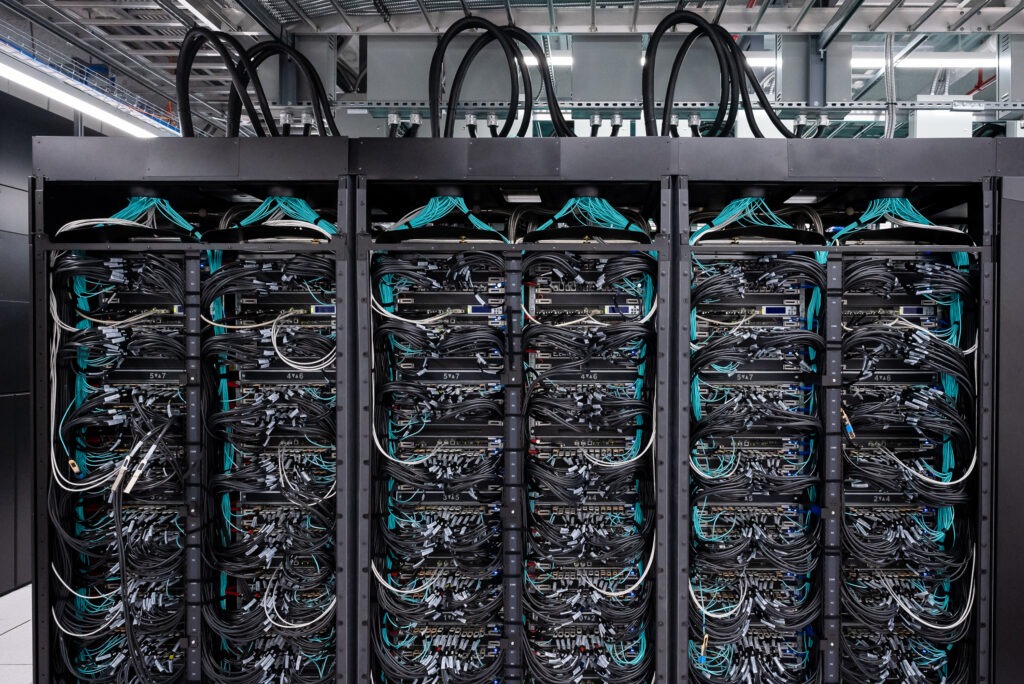
Researchers used quantum simulations to model the collisions of subatomic particles and open new avenues to understand the basics of hadron collisions, a key aspect of high-energy physics. The results illustrate quantum computing’s potential to expand the range of solutions to scientific problems beyond those made possible by classical high-performance…
Matt Lakin
April 21, 2026
FeaturedScience

Tag-Teaming Turbulence

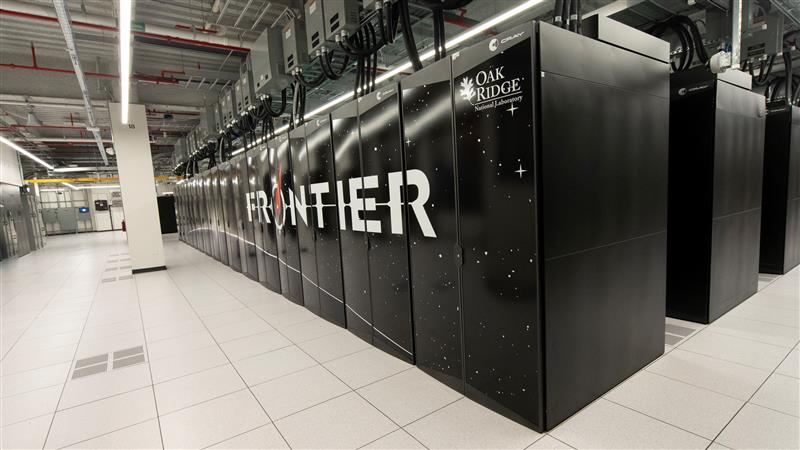
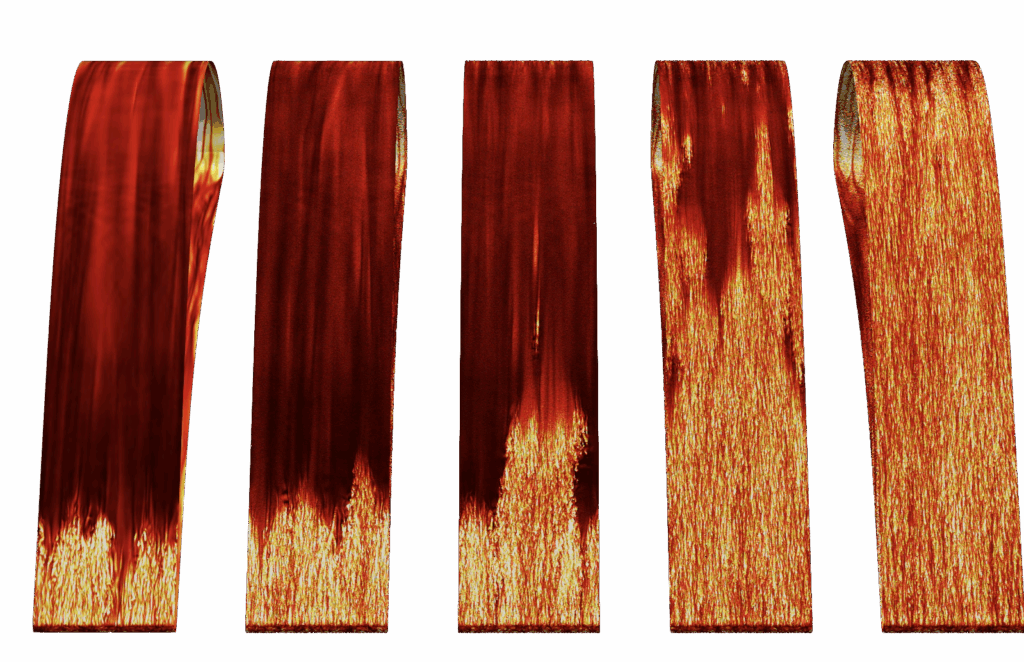
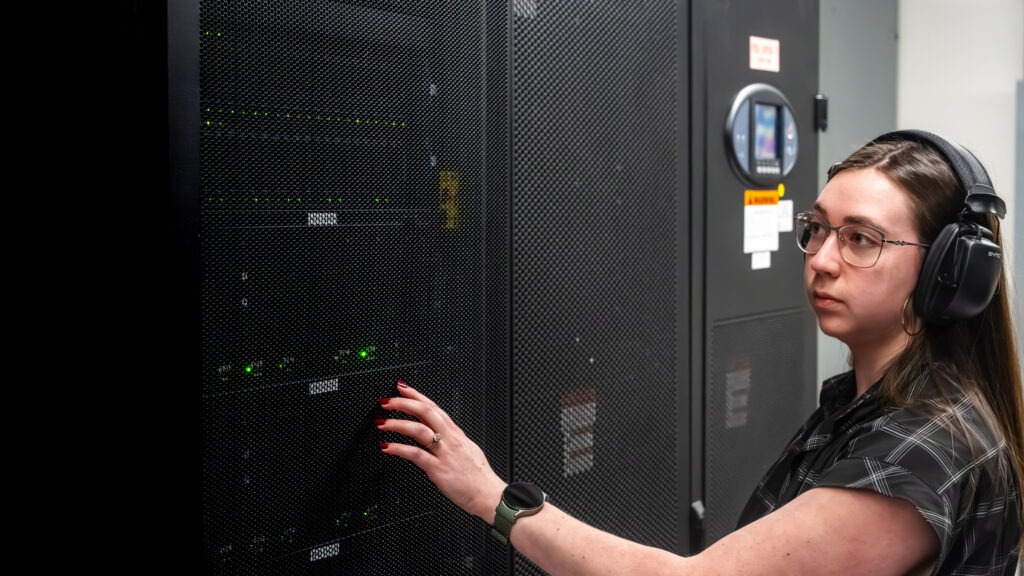
Researchers used the world’s fastest supercomputer for open science to train an artificial intelligence model that captures magnetic turbulence within a plasma in unprecedented detail. Results from the model, trained on the Frontier supercomputer at the Department of Energy’s Oak Ridge National Laboratory, could support research ranging from modeling a supernova to building the…
Matt Lakin
April 20, 2026
FeaturedScience

Nanodiamonds and Beyond: Designing Carbon Materials with Artificial Intelligence at Exascale

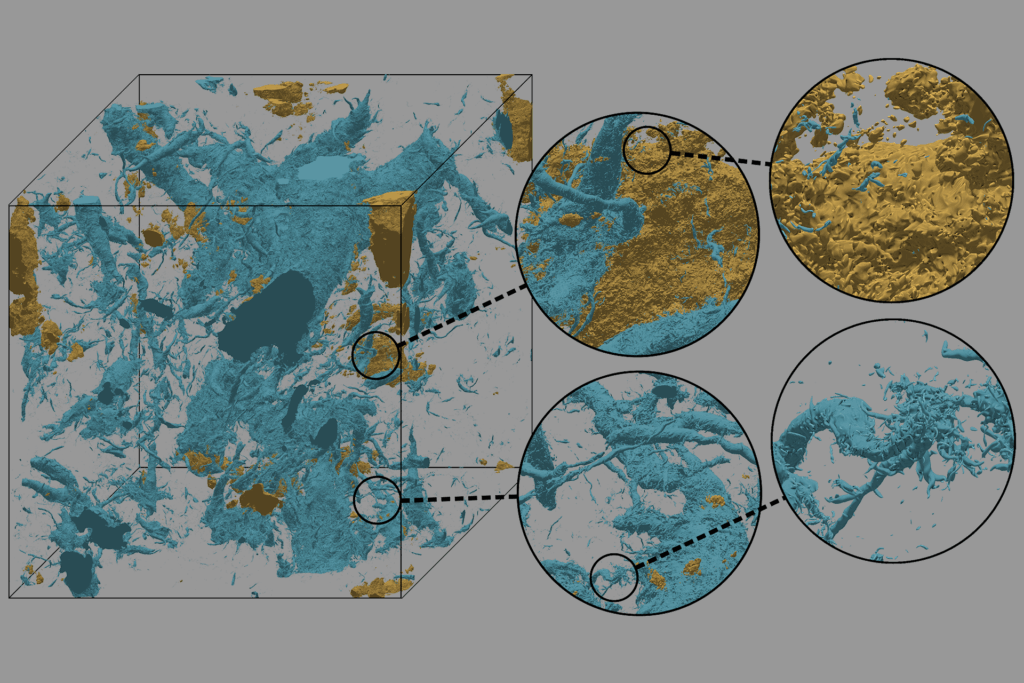
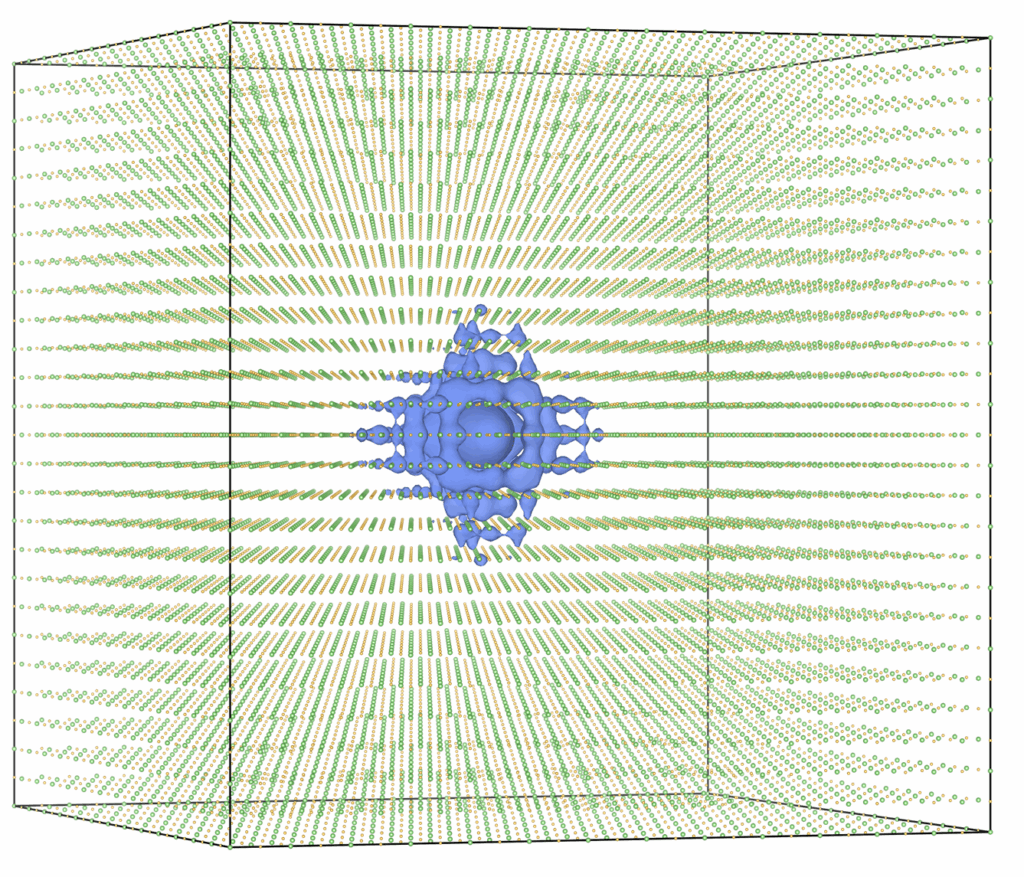
by Argonne National Laboratory   Key Takeaways Carbon is one of nature’s most versatile elements, capable of forming materials that are stronger than steel, lighter than plastic and adaptable to countless applications. Using powerful supercomputers and artificial intelligence and drawing on expertise in multiple disciplines, Argonne scientists are learning to…
Katie Bethea
March 16, 2026
FeaturedScienceTechnology

OLCF’s 2025 in Review

In 2025, high-performance computing and rapid advances in artificial intelligence pushed the boundaries of scientific discovery, accelerating progress across a wide spectrum of disciplines. Deep collaborations among leading academic, industrial, and government partners fueled major breakthroughs in areas such as simulating cellular machinery, accelerating AI, integrating quantum and classical computing…
Angela Gosnell
December 22, 2025
Arx2 ORNLFeaturedTechnology

Arx2 Storage System Gets a Powerful Upgrade

The Department of Energy’s Oak Ridge National Laboratory recently upgraded its Scalable Protected Infrastructure (SPI) for CITADEL — the framework of security protocols that protects sensitive data on systems at the Oak Ridge Leadership Computing Facility (OLCF) — by expanding the facility’s Arx2 file storage system. Arx2 was originally installed…
Coury Turczyn
December 18, 2025
Science

Celeritas Code Sets Fast Pace for Particle Physics Discoveries

by Dawn Levy High energy physicists run on a treadmill that keeps speeding up. Their collider experiments smash particles at dazzling speeds and energies. Detectors identify and track the multitudes of smaller particles that fly out. With powerful new colliders crashing particles at ever-increasing energies, even more daughter particles are…
Katie Bethea
November 19, 2025
FeaturedPeopleScience

OLCF’s Bronson Messer Named APS Fellow

Bronson Messer is the Director of Science at the Oak Ridge Leadership Computing Facility. Credit: Carlos Jones/ORNL, U.S. Dept. of Energy Bronson Messer, a distinguished staff scientist at the Department of Energy’s Oak Ridge Leadership Computing Facility (OLCF) at Oak Ridge National Laboratory, has been named a Fellow of the…
Angela Gosnell
November 14, 2025
FeaturedScience

ORNL, NVIDIA, HPE Advance Quantum Computing, AI, and HPC for Science

The Department of Energy’s Oak Ridge National Laboratory, NVIDIA, and HPE will seek to open new insights into quantum computing and identify potential strategies toward the integration of quantum, artificial intelligence and high-performance computing for scientific discovery. “Maintaining America’s leadership in high-performance computing requires us to build the bridge to…
Matt Lakin
November 3, 2025
OLCF GT CFD simulationFeaturedTechnology

New CFD Methodology Supersizes Results

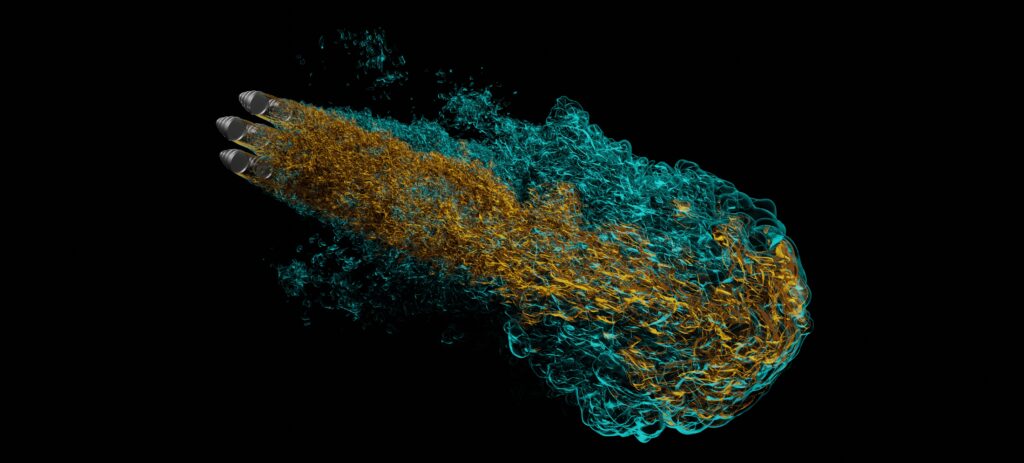
Using a new computational technique called information geometric regularization (IGR) researchers from the Georgia Institute of Technology and the Courant Institute of Mathematical Sciences at New York University conducted the largest-ever computational fluid dynamics (CFD) simulation of fluid flow on the Frontier supercomputer at the Department of Energy’s Oak Ridge…
Coury Turczyn
September 30, 2025