







by Argonne National Laboratory Key Takeaways Carbon is one of nature’s most versatile elements, capable of forming materials that are stronger than steel, lighter than plastic and adaptable to countless applications. Using powerful supercomputers and artificial intelligence and drawing on expertise in multiple disciplines, Argonne scientists are learning to…
Researchers used the world’s fastest supercomputer for open science to uncover new insights that could pave the way for the next generation of quantum computing, sensing and communications technologies through more efficient control of quantum materials and their properties. The study conducted on the Frontier supercomputer at the Department of…
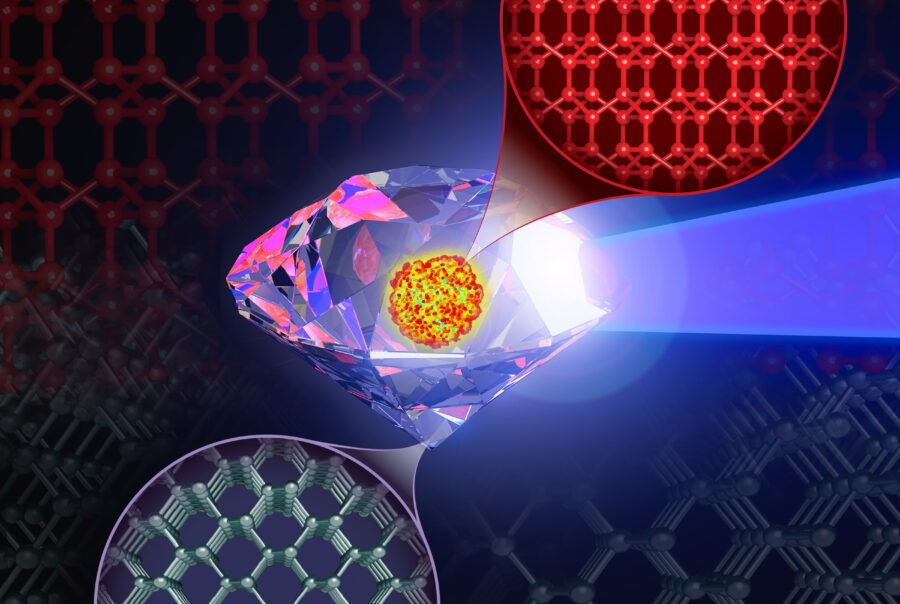
The world’s fastest supercomputer helped researchers simulate synthesizing a material harder and tougher than diamond — or any other substance on Earth. The study used Frontier, the HPE Cray EX supercomputing system at the Department of Energy’s Oak Ridge National Laboratory, to predict the likeliest strategy to synthesize such a…
Titanium alloys serve as cornerstone materials for the aerospace industry — stronger and lighter than steel, resistant to rust and corrosion and resilient past the melting points of most other metals. Companies such as RTX, formerly Raytheon Technologies, rely on these sturdy alloys to build such vital machinery as jet-engine turbine…
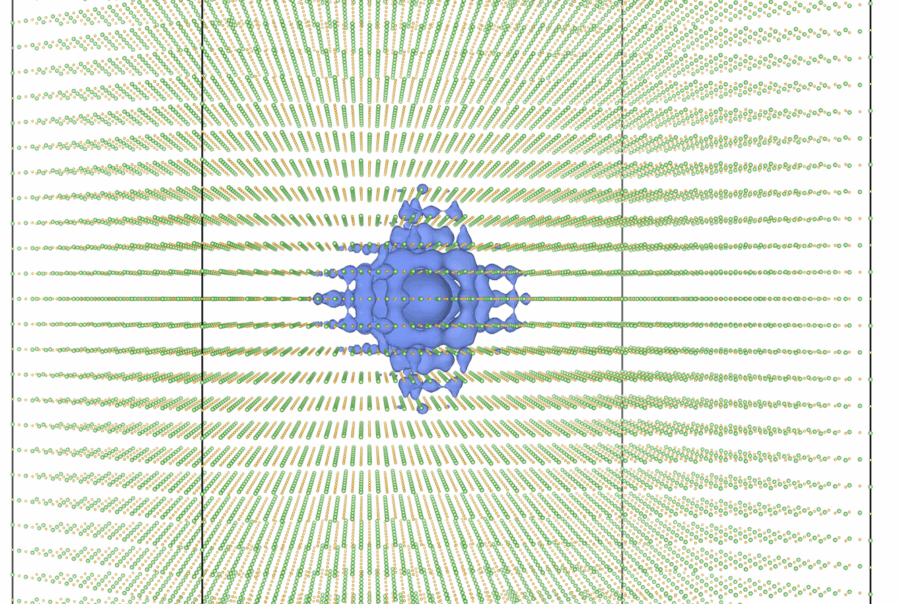
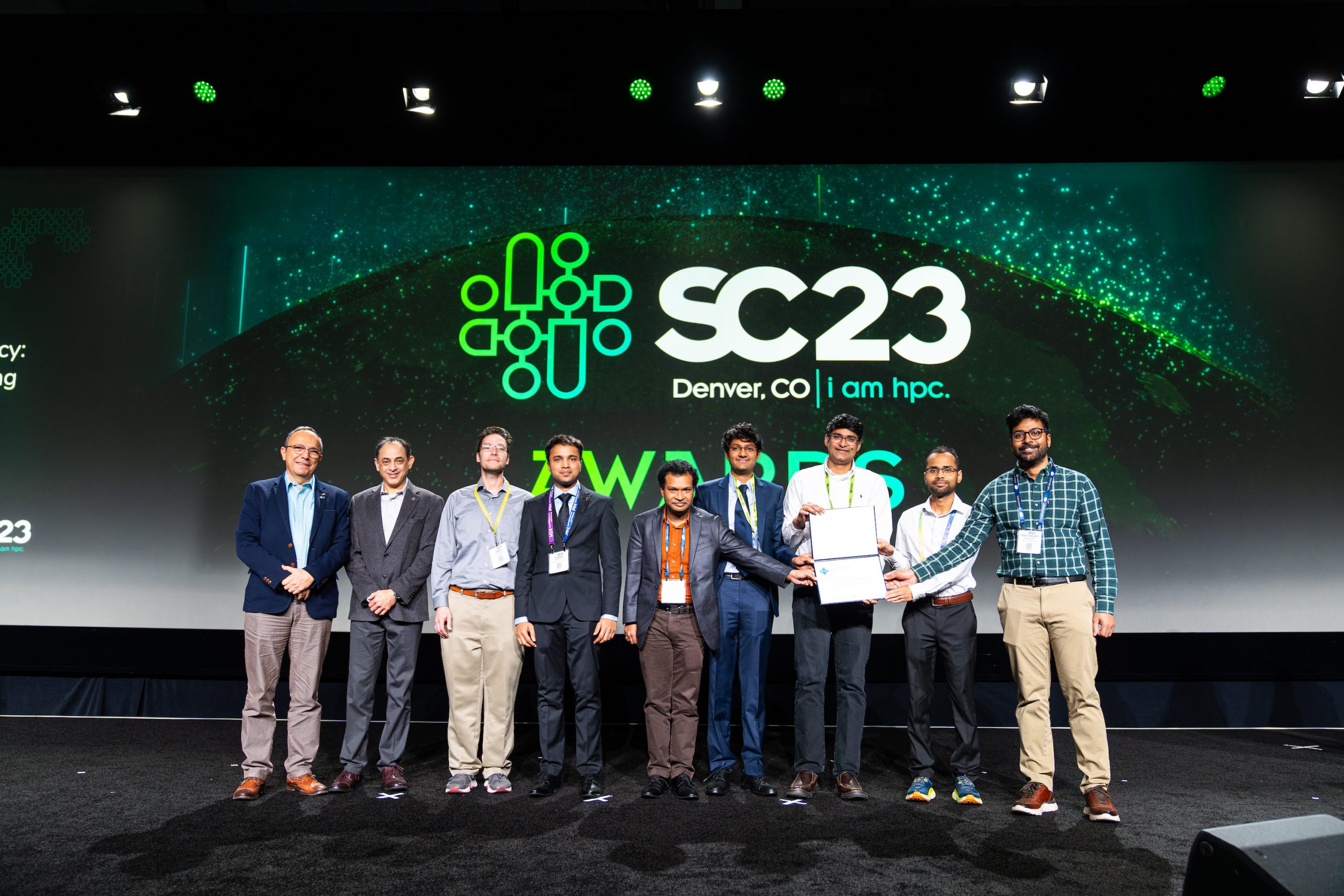
A team of eight scientists won the Association for Computing Machinery’s 2023 Gordon Bell Prize for their study that used the world’s first exascale supercomputer to run one of the largest simulations of an alloy ever and achieve near-quantum accuracy. The ACM Gordon Bell Prize recognizes outstanding achievement in high-performance…
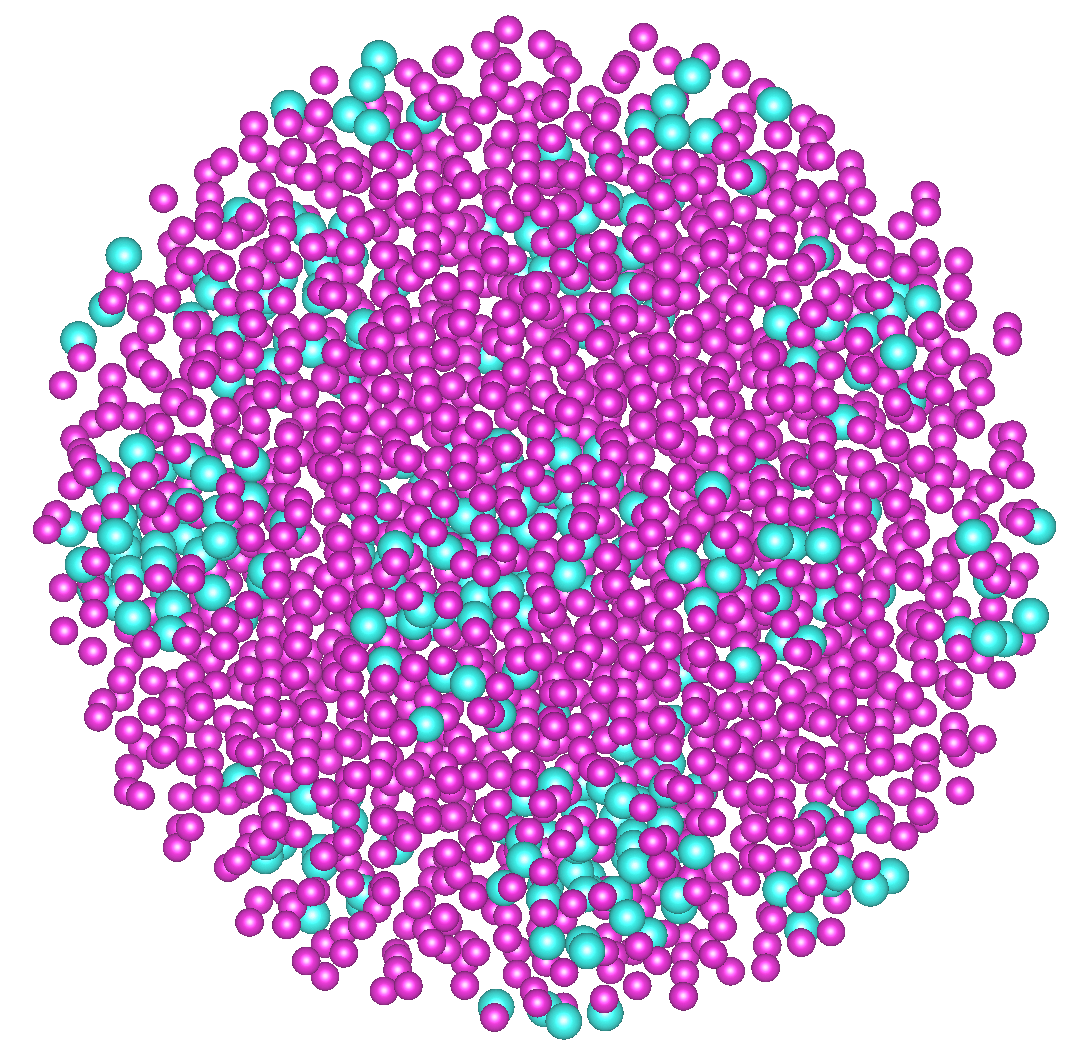
Researchers used the world’s first exascale supercomputer to run one of the largest simulations of an alloy ever and achieve near-quantum accuracy. The study led by the University of Michigan’s Vikram Gavini employed Frontier, the 1.14-exaflop HPE Cray EX supercomputer at the Department of Energy’s Oak Ridge National Laboratory, to…
PI: Danny Perez, Los Alamos National Laboratory In 2016, the Department of Energy’s Exascale Computing Project (ECP) set out to develop advanced software for the arrival of exascale-class supercomputers capable of a quintillion (1018) or more calculations per second. That leap meant rethinking, reinventing and optimizing dozens of scientific applications…
Over the past decade, teams of engineers, chemists and biologists have analyzed the physical and chemical properties of cicada wings, hoping to unlock the secret of their ability to kill microbes on contact. If this function of nature can be replicated by science, it may lead to products with inherently…
Using the Summit supercomputer at the US Department of Energy’s (DOE’s) Oak Ridge National Laboratory (ORNL), researchers at Lawrence Berkeley National Laboratory (Berkeley Lab) have confirmed and explained the results of an experiment to synthesize a new crystalline material that may hold promising applications. Composed of alternating atomic layers of…
Computational users at the Oak Ridge Leadership Computing Facility (OLCF) are running scientific codes on Frontier’s architecture in the form of a powerful test system at the OLCF called Crusher. Frontier, an HPE Cray EX supercomputer capable of 1018 calculations per second—or 10 with 18 zeroes—was installed in late 2021 and is…
Neuromorphic devices — which emulate the decision-making processes of the human brain — show great promise for solving pressing scientific problems, but building physical systems to realize this potential presents researchers with a significant challenge. An international team has gained additional insights into a material compound called vanadium oxide, or…
In 2021, supercomputing at the US Department of Energy's (DOE's) Oak Ridge National Laboratory (ORNL) enabled new scientific breakthroughs amid the global pandemic. From modeling small particles called quarks to simulating turbulence in fusion reactors, the Oak Ridge Leadership Computing Facility's (OLCF's) flagship supercomputer, Summit, continued to provide unprecedented opportunities…
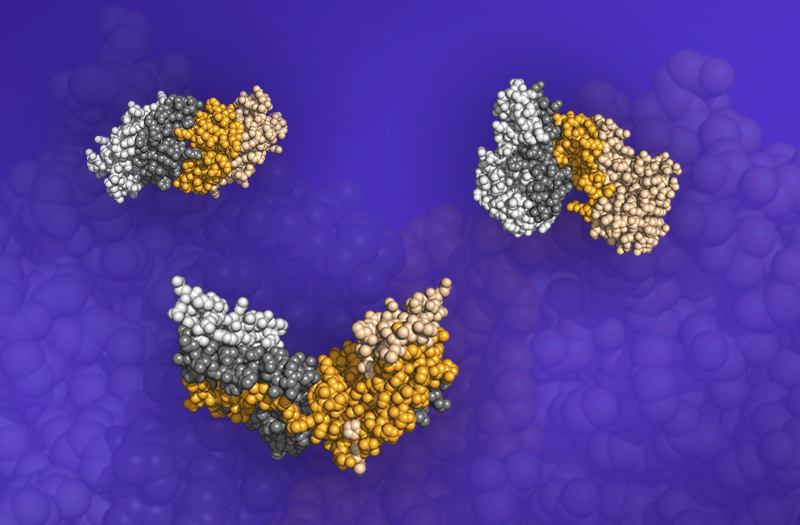
Can something as simple as shape fully determine whether or not proteins will bind together? Scientists are commissioning supercomputers to find out. A team led by Sharon Glotzer, distinguished professor and department chair of chemical engineering at the University of Michigan (UM), used the 200-petaflop Summit supercomputer at the US…
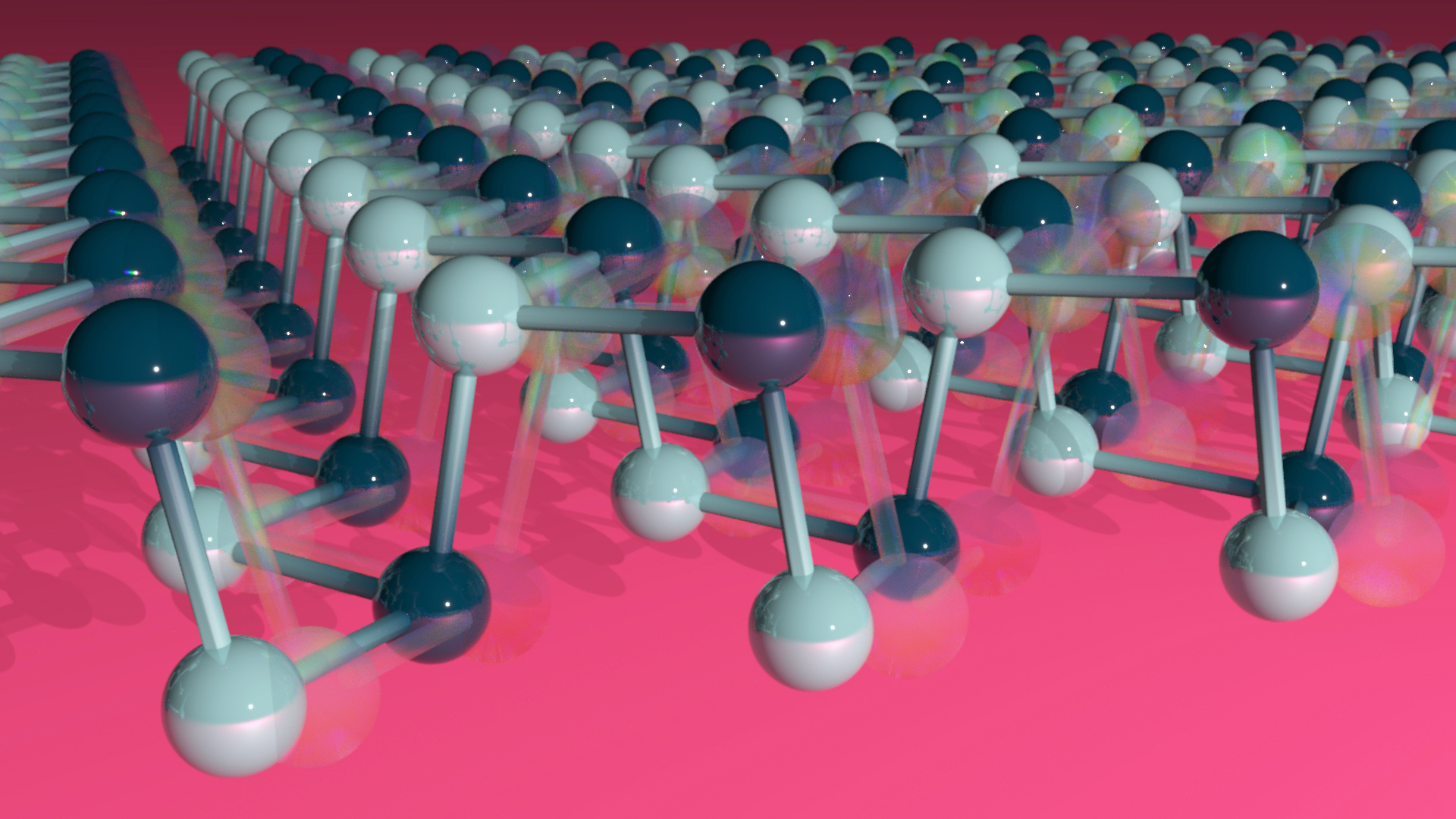
2D nanomaterials, with a thickness of a single layer of atoms, have unique electrical and optical properties that make them good candidates for use in electronics and optical sensors. An increasing range of these ultrathin materials can now be synthesized, and the ways in which they emit and absorb light…
Designing materials with certain properties is the first step to making computer chips that can store more information, superconductors that could help to solve the world’s energy problems, and drugs that work more efficiently in the human body. The transition metals in the periodic table of elements are crucial to…